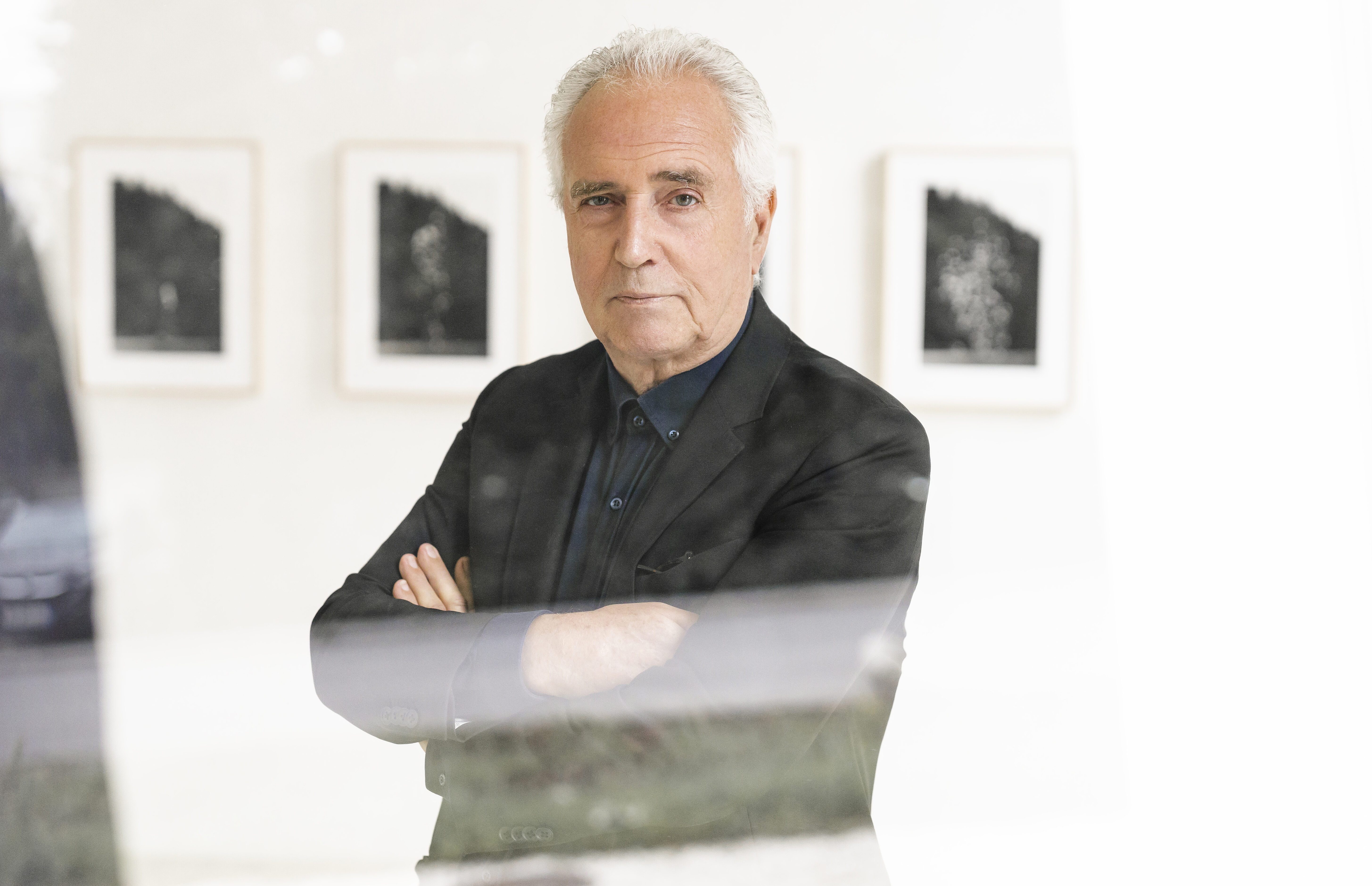
Soon after the founding of Baumschlager Eberle Architekten in 1985 in Lochau, Vorarlberg, Dietmar Eberle and his then partner Carlo Baumschlager established themselves as leading figures in residential architecture in the region. From the outset, Dietmar Eberle’s architectural approach was defined by a strong commitment to resource efficiency and the continuous optimisation of planning processes.
Around the turn of the millennium, Dietmar Eberle recognised the potential to expand the practice beyond national borders. The establishment of offices in Vaduz, Vienna, St. Gallen and Zurich marked the beginning of a period of sustained international growth. In the years that followed, the firm’s development was shaped by numerous successes across Europe and China, as well as an ever-broadening portfolio of building tasks.
Among the firm’s internationally acclaimed projects are the WHO administrative building in Geneva, high-rise developments in Beijing, and a wide range of residential schemes distinguished by innovative and future-oriented concepts.
Today, our clients benefit from a strong local presence, extensive international expertise, and more than four decades of a deeply rooted architectural culture.
The Baumschlager Eberle Architekten GmbH is a wholly owned subsidiary of :be AG. With the appointment of the Board of Directors, the best conditions have been created to lead the Baumschlager Eberle Group successfully into the future while preserving the company’s core values: authentic continuity with the highest standards of quality meets entrepreneurial expertise. Shared goals and values, strong relationships of trust, and openness to new knowledge form the foundation for long-term growth across all areas of the company.
Baumschlager Eberle Architekten was founded in 1985 in Vorarlberg and today operates with 17 offices across Europe and Asia. Their approach combines economic, ecological and social considerations with an architecture that emphasises vitality, adaptability and the careful use of resources. Buildings are intended not only to be functional but also to create cultural value. This philosophy was shaped by co-founder Dietmar Eberle, who brought together practice and theory, tradition and innovation.